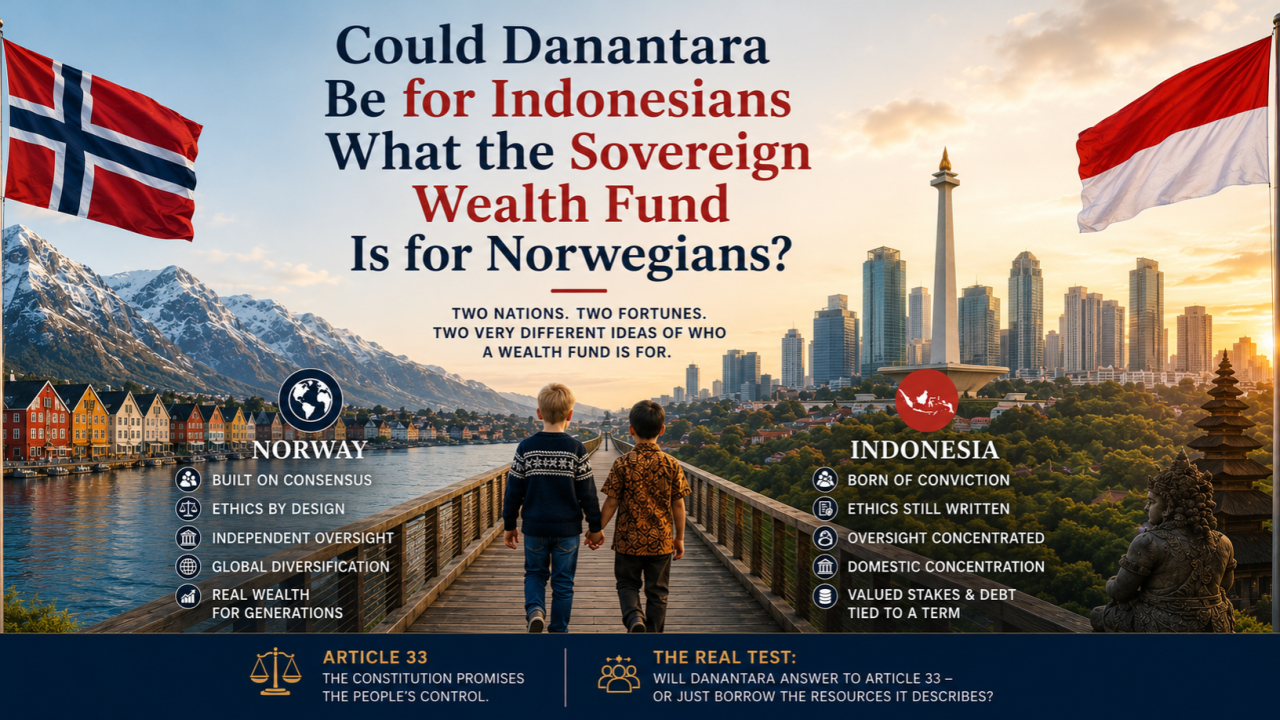
Looking closely at Danantara Indonesia brings into focus two nations, two fortunes, and two very different ideas of stewardship.
I grew up watching Norway save. Instead of spending our wealth, we chose to save it.
When oil came out of the North Sea, our leaders decided to lock most of it away for future generations. Consequently, that patient instinct grew into the Government Pension Fund Global. Today, it holds four times Norway’s entire GDP. Furthermore, it belongs to no single politician and carries no one’s name.
Indonesia is now trying a different path.
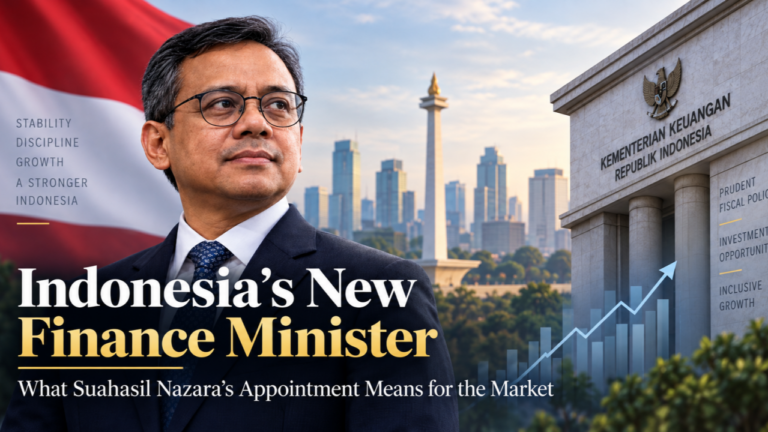
The creation of Danantara Indonesia in February 2025 marked an ambitious move by a president targeting 8% economic growth. Although it is young, the entity already ranks among the world’s largest sovereign wealth funds on paper.
Having spent thirty years living between these two countries, I wonder whether this new fund can ever become for Indonesians what the Oil Fund became for Norwegians.
How the Danantara Indonesia Sovereign Fund Was Born
Norway’s fund originated from economists and civil servants rather than a single leader’s vision. Officials designed it to survive every future government through a consensus fiscal rule that has lasted for decades.
In contrast, the danantara sovereign wealth fund came from the top down. One president, one signature, and one aggressive growth target created it. Initial funding even drew from austerity cuts affecting civil service wages and disaster prevention.
Norway built a fund from national consensus. Indonesia built one from single-minded conviction.
Ethics, Transparency, and Oversight
Norway integrated an independent Council on Ethics directly into its fund architecture. The board publishes all exclusions regarding human rights, corruption, and environmental harm online. Transparency was never an afterthought.
Ethics for the danantara sovereign wealth fund remain an active debate:
▪️ Politically Exposed Persons: Corruption watchdogs note that over three-quarters of leadership hold political ties.
▪️ Legal Immunity: Recent legislation shields certain fund bond purchases from tax scrutiny and legal prosecution.
▪️ Governance Structure: The President of Indonesia chairs the supervisory board, acting as both owner and overseer.
Norway created a system that invites public scrutiny. Indonesia legislated protections around its new entity.
Global Diversification vs. Domestic State Bets
Where the money sits defines the risk profile of each country:
| Fund Model | Investment Strategy | Risk Profile |
| Norway Oil Fund | 100% Foreign Assets | Spreads global risk outside domestic market |
| Danantara Indonesia | Domestic SOEs & Infrastructure | Concentrates risk within local economy |
Norway invests almost entirely outside its borders so that it avoids distorting its domestic economy. Conversely, Danantara Indonesia does the opposite by consolidating state-owned enterprises (SOEs) and local strategic projects.
If Indonesia’s domestic economy falters, the fund lacks an external global cushion. Furthermore, its headline $900 billion valuation represents consolidated state assets and debt issuance rather than fresh liquid capital.
Article 33 and the Constitutional Promise
Indonesia’s Constitution adds a unique legal dimension that Norway never required. Article 33 dictates that key sectors of production touching the lives of the people must be controlled by the state.
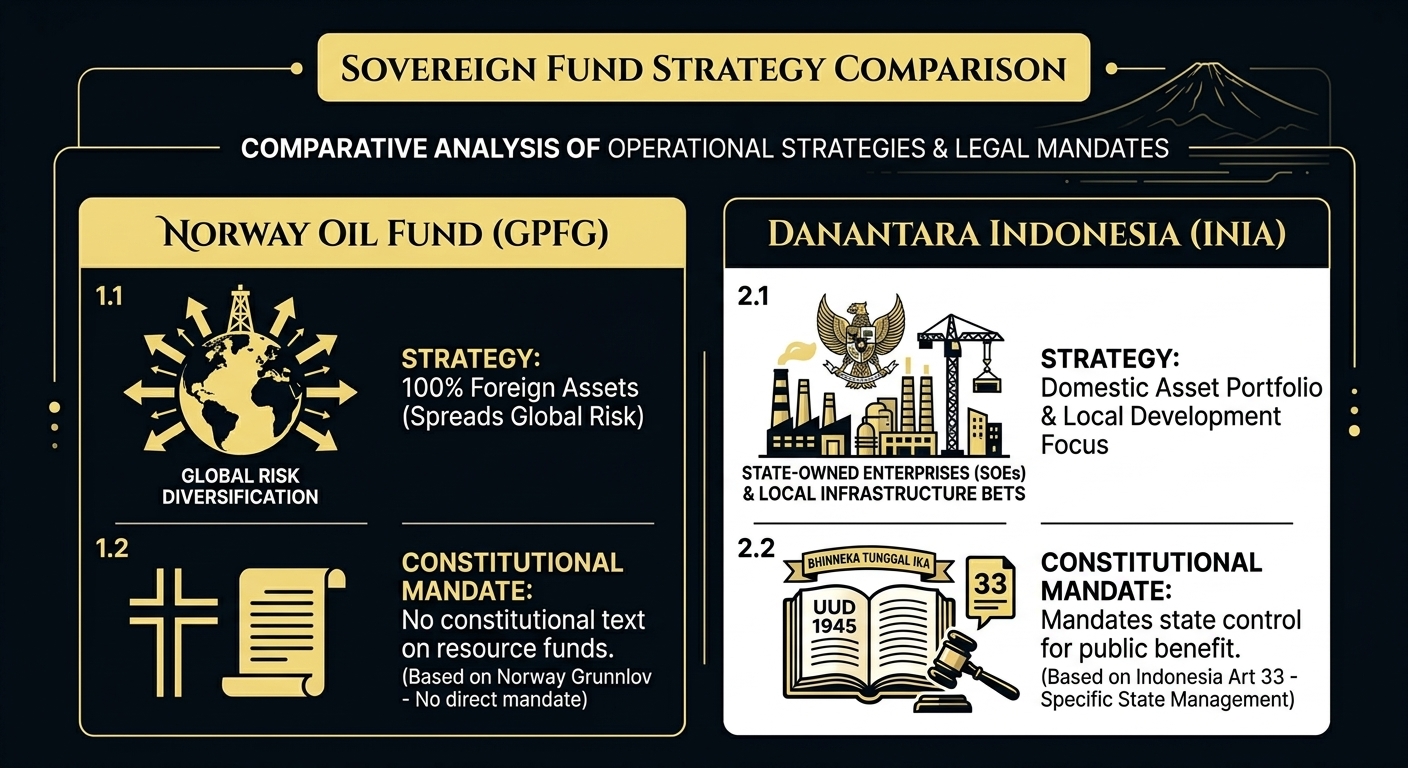
The assets held by Danantara Indonesia represent the very SOE stakes and resources covered by Article 33. The fund acts as the custodian of a constitutional promise. A fund bound by Article 33 should not hide behind legal immunities or combine its owner and overseer into one person.
Earning Long-Term Institutional Trust
Norway’s fund earned public trust slowly over decades of disciplined management. That level of institutional trust cannot be declared by decree. It must survive political transitions, economic downturns, and the temptation to spend reserves.
Danantara Indonesia has not faced those tests yet. Its ultimate challenge will not be reaching a short-term growth target by 2029.
The real test is whether Indonesia can build lasting institutional restraint. Will the fund remain unspent, unbent, and intact for citizens not yet born?